
Julie Mehretu
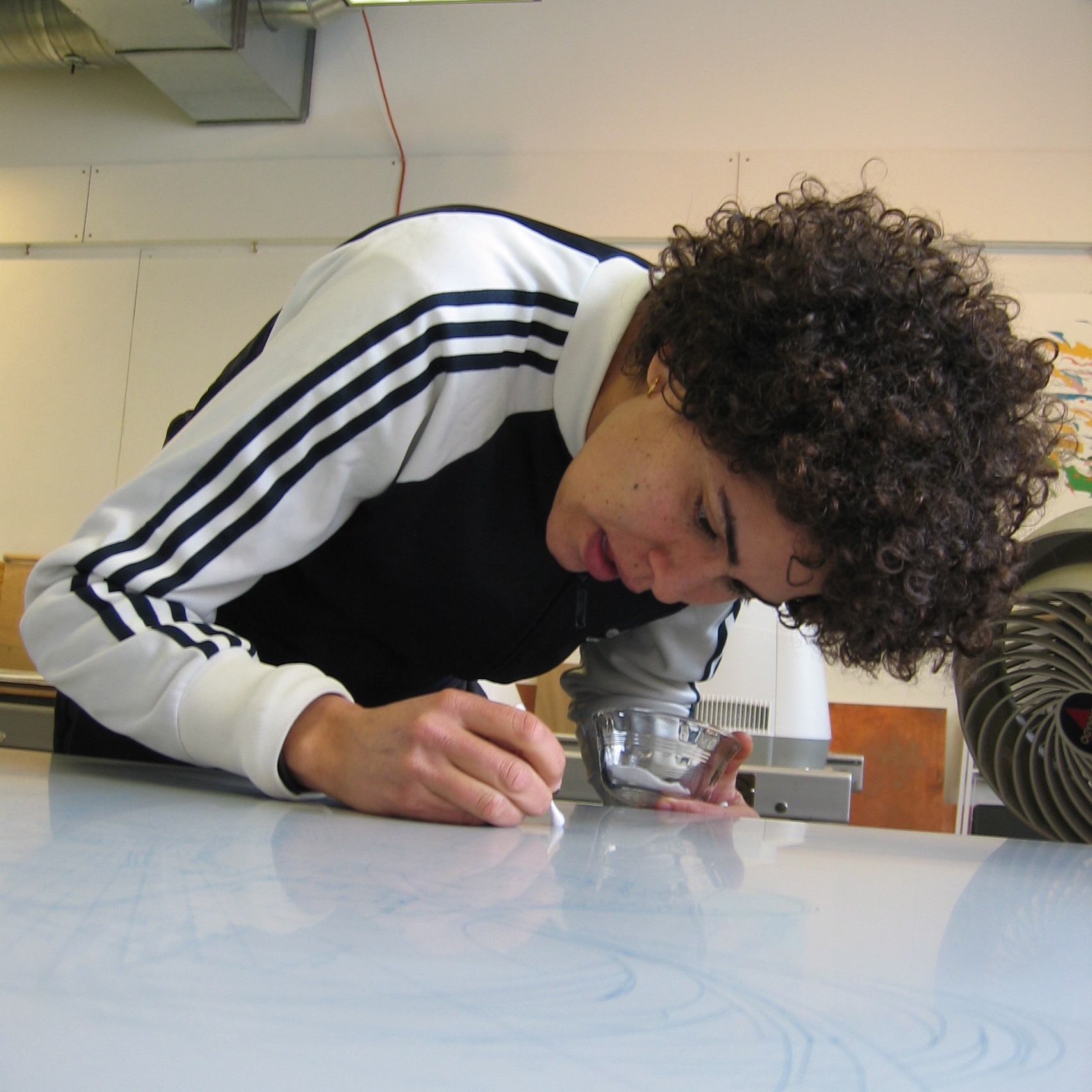
Julie Mehretu's large-scale paintings, drawings, and prints mix elements of urban landscape with personal, energetic iconography. Mehretu sees her work as an investigation of identity and its links to community, power, and place, and combines found imagery with free gesture to place current and historical events in a new, unfamiliar context.
Mehretu has participated in numerous international exhibitions and biennials including most recently the Sharjah Biennial 12: the past, the present, the possible, UAE (2015) and Documenta (13), Kassel, Germany (2012). She has received international recognition for her work, including the American Art Award from the Whitney Museum of American Art and the prestigious MacArthur Fellows Award.
Mehretu (b. 1970, Addis Ababa, Ethiopia) lives and works in New York and is represented by Marian Goodman Gallery.
Read about the Mehretu’s newest series Corner of Lake and Minnehaha here, essay written by scholar and art historian Susan Tallman.





Highpoint Editions Artist Julie Mehretu is featured in the exhibition, Energy, at the Nassau County Museum of Art.

Highpoint Editions Artist Julie Mehretu joins the Wallach Art Gallery of Columbia University for it’s exhibition, After the End: Timing Socialism in Contemporary African Art, curated By Álvaro Luís Lima.

Highpoint Editions Artist Julie Mehretu will be one of the 6 artists to curate the Guggenheim’s upcoming show, Artistic License: Six Takes on the Guggenheim Collection.

Highpoint Editions Artist Julie Mehretu has been chosen to participate in the 2019 Venice Biennale.

Highpoint Editions Artist Julie Mehretu created an installation of drawings and monotypes in her exhibition “Julie Mehretu Drawings and Monotypes” at Kettle’s Yard, University of Cambridge.

Read a fantastic article, from the Brooklyn Rails INCONVERSATION series about Highpoint Editions Artist Julie Mehretu.

Julie Mehretu’s exhibition Excavations will be at the University of Alabama Sarah Moody Gallery of Art

The Schnitzer Museum of Art presents ‘Social Space’ featuring work by Highpoint Editions Artist, Julie Mehretu.

Highpoint Editions Artist Julie Mehretu will have a traveling retrospective tour beginning March 2020.

Highpoint Editions Artist Julie Mehretu will participate in a discussion with author Jonathan Safran Foer on the films that have inspired their lives and work.

Highpoint Editions artist Julie Mehretu will be giving a talk at the Crystal Bridges Museum of American Art,

Highpoint Editions artist Julie Mehretu will showcase new work at the White Cube, Mason’s Yard, in London.

HIghpoint Editions Artist Julie Mehretu will participate in the show Lydia Cabrera and Édouard Glissant: Trembling Thinking in NYC.
Julie Mehretu’s exhibition Excavations will be at the University of Virginia Fralin Museum of Art.

Highpoint Editions artist Julie Mehretu's work and art practice are discussed in the article "Julie Mehretu Paints to Make Sense of a Violent, Chaotic World" by Alina Cohen for Artsy.

Highpoint Editions work is being showcased at the University of Wyoming Art Museum during the Mid America Print Council.

Highpoint Editions artist Julie Mehretu will be in the group exhibition Diagrams of Power at the OCAD university.

Highpoint Editions artist Julie Mehretu was head of the set design for the upcoming show "Only the Sound Remains" at Lincoln Centre, New York.

Highpoint Editions artist Julie Mehretu's work will be featured alongside Tacita Dean's at the Galerie Marian Goodman Paris.

HIghpoint Editions artist, Julie Mehretu's work will be showcased at the Centro Botin in Spain.

Highpoint Editions artists Jessica Rankin and Julie Mehretu are featured in the new triennial, Uptown at the Wallach Art Gallery. The triennial will survey the 'work of artists who live or practice north of 99th Street".

Julie Mehretu and 3 other prominent black artists from New York pooled together their money to save Nina Simone's childhood home in Tryon, North Carolina.

Read an article on Highpoint Editions Artist Julie Mehretu by Robin Pogrebin in the NY Times.

Opening on August 18, 2016, Minnesota Museum of American Art's exhibition Brick x Brick will feature Julie Mehretu's Highpoint Editions print, Entropia (review).
Available
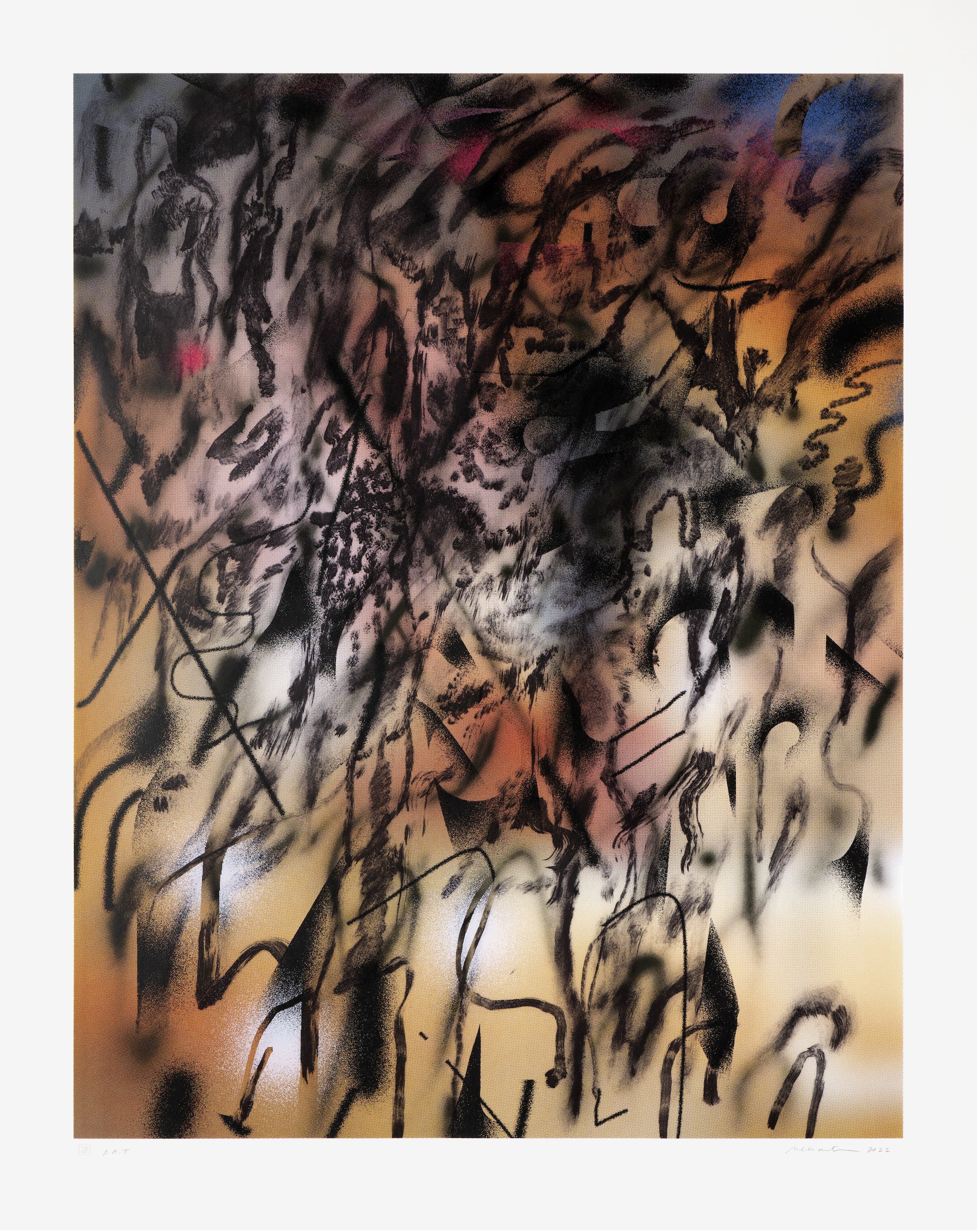
Corner of Lake and Minnehaha, Julie Mehretu, 2022
Edition of 45 | 17-Run screenprint on Coventry Rag | 47" x 37" image size | 54 ¾" x 43 ½" paper size
Co-published by Highpoint Editions and the Walker Art Center
Edition sold out. Please contact Gallery Director for availability: alex@highpointprintmaking.org
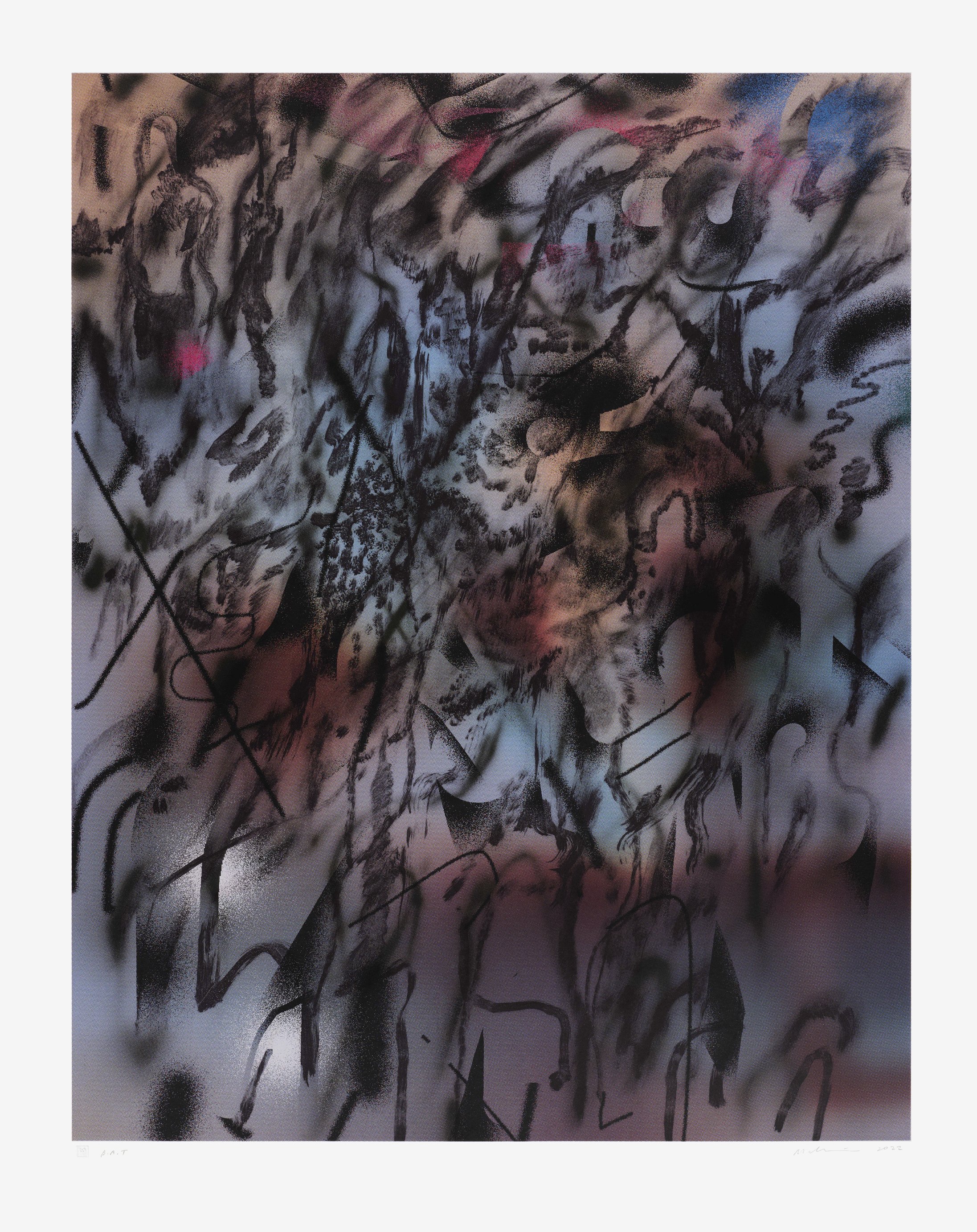
Corner of Lake and Minnehaha (blue), Julie Mehretu, 2022
Edition of 45 | 16-Run screenprint on Coventry Rag | 47" x 37" image size | 54 ¾" x 43 ½" paper size
$45,000
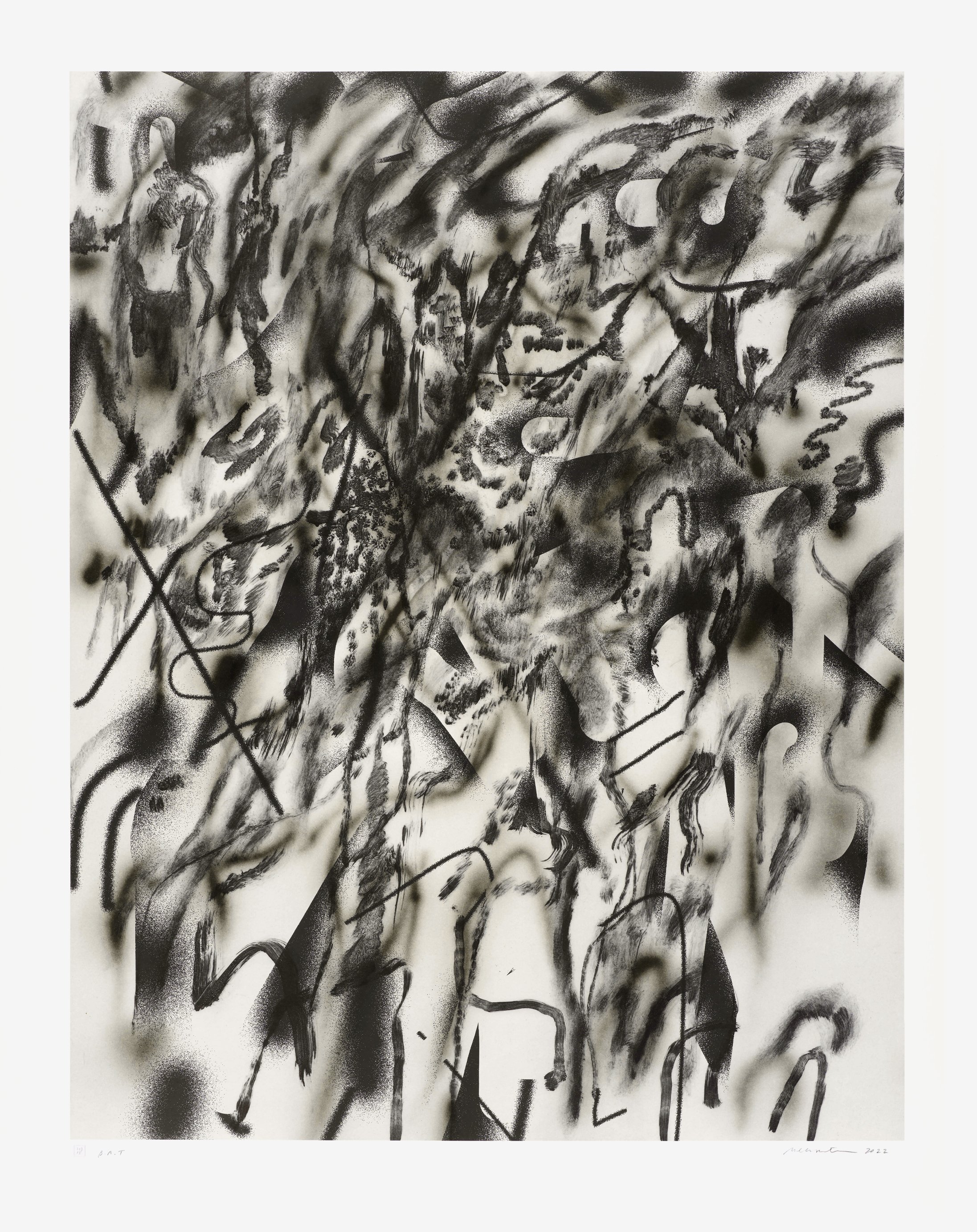
Corner of Lake and Minnehaha (smoke), Julie Mehretu, 2022
Edition of 45 | Lithograph with chine collé on Somerset Satin | 47" x 37" image size | 54 ¾" x 43 ½" paper size
$30,000
Archive - Not Available for Purchase
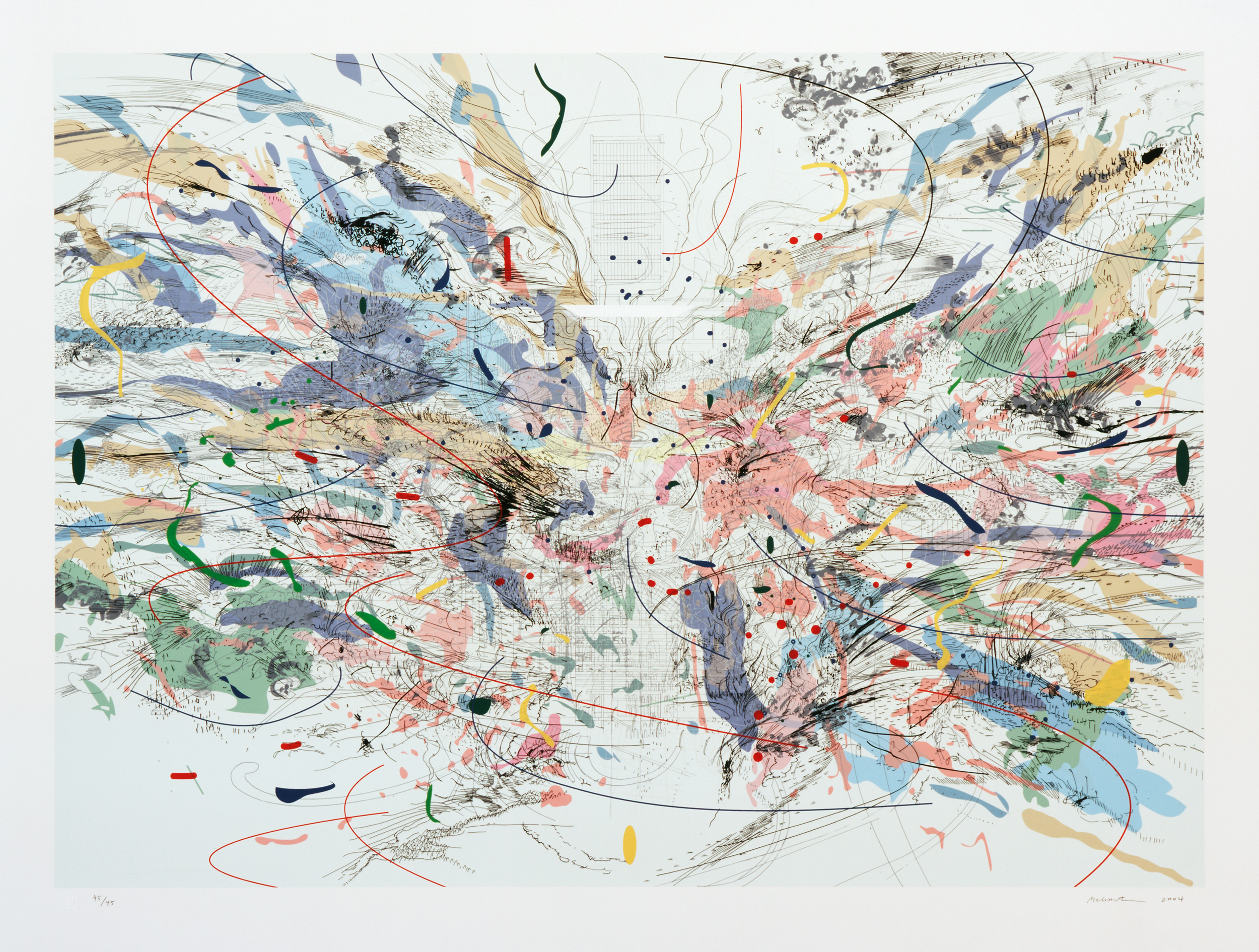
Entropia (review) by Julie Mehretu 2004
Edition of 45 | 32-color lithograph and screenprint on Arches 88 paper | image: 29" x 40" | paper: 33 1/2" x 44" | Co-published by Highpoint Editions and the Walker Art Center
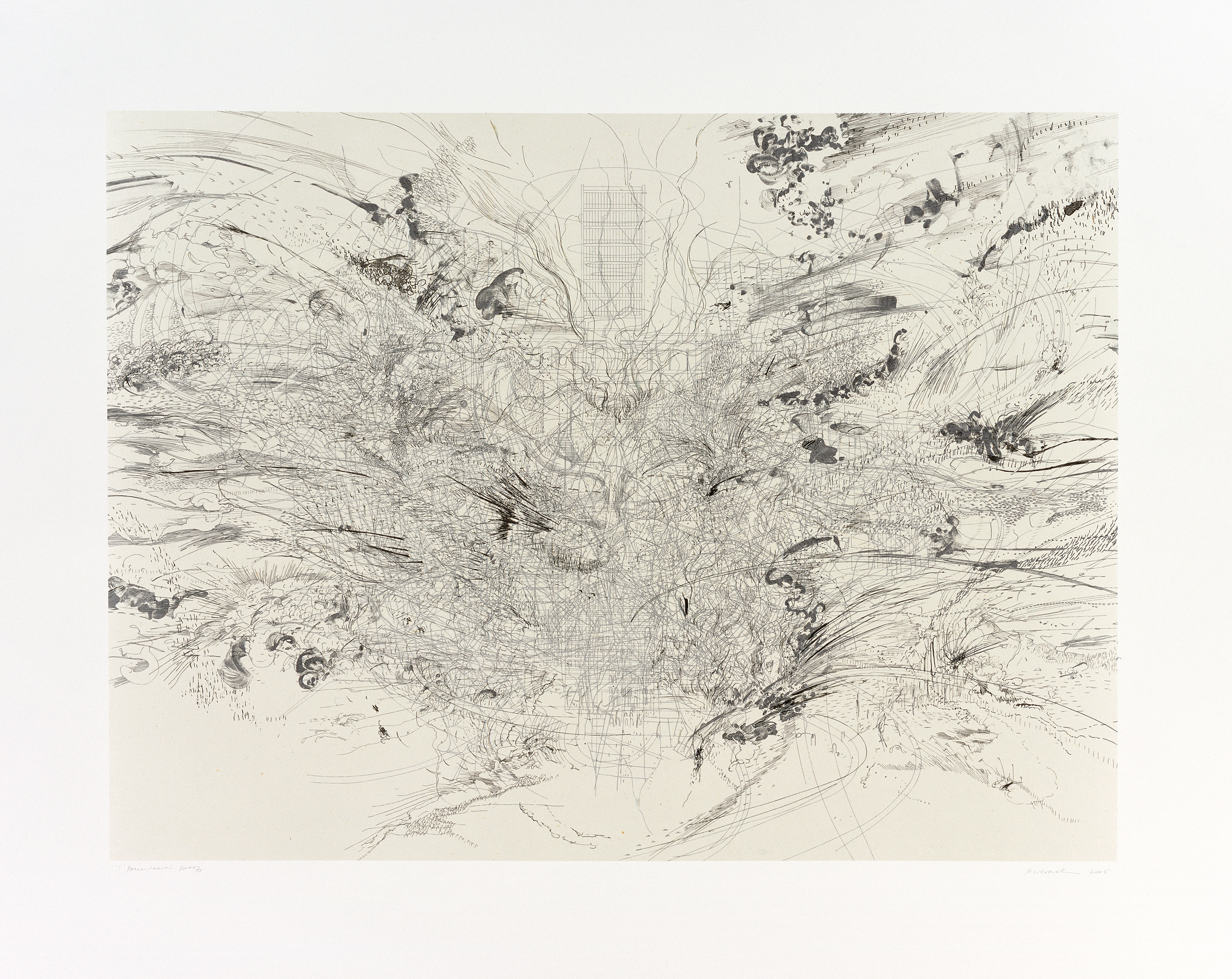
Entropia: Construction by Julie Mehretu 2005
Edition of 30 | Lithograph with Gampi chine collé on Somerset Satin | image: 29 1/2" x 39 1/2" | paper: 40" x 49 1/2"